


The Complete Guide to Menopause Supplements: Evidence-Based Reviews of What Actually Works

Science-Backed Analysis of Supplements for Hot Flashes, Sleep, Mood, and Metabolic Changes
Sarah jolted awake at 3:17 AM, drenched in sweat, heart racing. This was the third night in a row. Between the hot flashes, the weight creeping onto her midsection, and the brain fog that made her forget colleagues' names, she barely recognized herself. When her doctor suggested "lifestyle changes" and said her labs looked "normal for her age," Sarah started researching supplements. But the options were overwhelming: black cohosh, red clover, maca root, omega-3s, probiotics, magnesium, dozens of proprietary blends. Which ones actually worked?
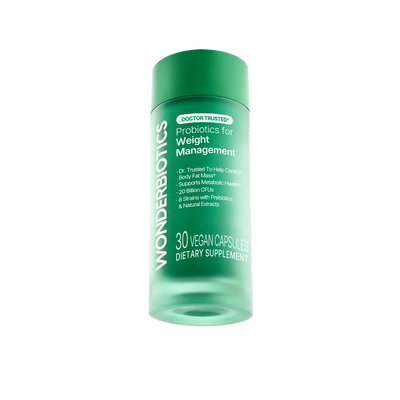
See the full WonderBiotics reviews page.
Executive Summary
Menopause represents a complex metabolic transition affecting gut health, hormone regulation, bone density, and cardiovascular function. This review examines scientific evidence behind popular menopause supplements, separating clinically supported interventions from marketing claims. Key findings: omega-3 fatty acids show promise for cardiovascular health and may support mood. Magnesium can improve sleep quality and bone health. Vitamin D and calcium remain essential for bone density. Specific probiotic strains may help with weight management and metabolic health during this transition. Phytoestrogen supplements like black cohosh and red clover have mixed evidence with significant individual variation. The gut microbiome emerges as a critical factor in estrogen metabolism, suggesting microbiome support through quality probiotics may be underutilized. Supplements work best as adjuncts to resistance training, adequate protein, stress management, and sleep optimization, not as standalone solutions.
Understanding Menopause as a Metabolic Shift
Menopause isn't just about hot flashes. It represents a fundamental metabolic recalibration affecting energy processing, inflammation management, temperature regulation, bone building, and gut bacterial composition. The average age of menopause is 51, but perimenopause typically begins 4-8 years earlier with unpredictable hormone fluctuations that often produce worse symptoms than the post-menopausal state itself.
This transition coincides with age-related metabolic changes already underway. Muscle mass declines 3-8% per decade after age 30, accelerating after 50. Estrogen's protective effects on insulin sensitivity, fat distribution, and cardiovascular health diminish. The gut microbiome composition shifts, with decreases in beneficial bacteria associated with estrogen metabolism. Understanding menopause as a systemic metabolic event helps explain why single supplements rarely provide comprehensive relief and why multi-system approaches tend to work better.
The Gut Microbiome and Estrogen Metabolism
Gut bacteria play a significant role in estrogen processing through what's called the "estrobolome." Certain bacteria produce beta-glucuronidase, an enzyme that can reactivate estrogen the liver has processed for elimination, allowing reabsorption rather than excretion. The balance of these bacteria may influence circulating estrogen levels during menopause, though the clinical significance is still being studied.
Research indicates that women with more diverse gut microbiomes tend to report fewer severe menopausal symptoms, though causation versus correlation remains unclear. The microbiome composition changes during menopause, with decreases in beneficial bacterial diversity paralleling estrogen decline. This suggests that supporting gut health through probiotics and dietary fiber may represent an underutilized strategy for managing menopausal symptoms. Quality probiotics containing specific, well-researched strains appear more promising than generic formulations, though individual responses vary considerably.
Omega-3 Fatty Acids: Cardiovascular and Mood Support
Omega-3 fatty acids have the strongest evidence for cardiovascular protection, increasingly important as estrogen's protective effects decline post-menopause. Women's heart disease risk rises sharply after menopause, approaching men's risk by the seventh decade.
Several clinical trials suggest omega-3 supplementation may support mood regulation. A 2018 randomized controlled trial found women taking 2 grams daily of EPA-rich fish oil reported modest improvements in depressive symptoms and psychological distress compared to placebo. Proposed mechanisms include anti-inflammatory effects and neuronal membrane function support.
For hot flashes, evidence is less convincing. Some smaller studies suggested modest reductions, but larger trials generally failed to demonstrate significant benefits. Omega-3s appear more promising for supporting overall metabolic health, helping maintain insulin sensitivity, reducing inflammation, and supporting healthy triglyceride levels. Dosing typically ranges from 1-2 grams combined EPA and DHA daily, with higher EPA ratios potentially more beneficial for mood. Quality matters significantly, as oxidized fish oil can be pro-inflammatory.
Magnesium: Sleep, Bone Health, and Mood
Nearly half of U.S. adults don't meet recommended magnesium intake through diet alone. For menopausal women, adequate magnesium is particularly important for bone health, sleep quality, mood regulation, and muscle function.
The strongest evidence supports magnesium for sleep improvement. Multiple studies found supplementation can help with sleep onset and quality, frequently disrupted during menopause. The mineral regulates neurotransmitters involved in sleep and supports healthy stress response systems. Most sleep studies used 200-400 mg elemental magnesium taken evenings.
Magnesium plays a critical role in bone health, working with calcium and vitamin D. It's required for converting vitamin D to its active form and influences osteoblasts, cells that build new bone. Higher magnesium intake is associated with better bone mineral density in post-menopausal women. For mood and anxiety, preliminary evidence suggests magnesium may help with depression and anxiety symptoms, potentially through HPA axis and neurotransmitter effects.
Different magnesium forms have different absorption rates. Magnesium glycinate and threonate are well-absorbed and less likely to cause digestive upset compared to magnesium oxide. The RDA for women over 50 is 320 mg daily, though therapeutic doses may be higher.
Vitamin D and Calcium: Bone Health Foundation
Vitamin D and calcium represent the most evidence-based supplement strategy for protecting bone health during and after menopause. Women can lose up to 20% of bone density in the five to seven years following menopause, dramatically increasing fracture risk.
Current recommendations for women over 50 are 1,200 mg calcium daily from all sources. Most experts suggest getting as much as possible from dietary sources like dairy, leafy greens, and fortified foods, supplementing only to make up the difference. Vitamin D enhances calcium absorption, supports bone mineralization, and influences hundreds of physiological processes. Benefits appear most pronounced in individuals with deficiency and when combined with adequate calcium.
Beyond bone health, vitamin D may support mood during winter months and could help maintain insulin sensitivity, though these effects are less established. Most experts recommend blood testing before supplementing, aiming for 30-50 ng/mL. Typical doses range from 1,000-4,000 IU daily. Very high calcium intake from supplements has been associated with increased cardiovascular risk in some studies, leading experts to emphasize food sources and limit supplemental calcium to 500-600 mg at a time for better absorption.
Black Cohosh and Phytoestrogens: Mixed Evidence
Black cohosh is perhaps the most researched herbal supplement for menopausal symptoms, particularly hot flashes. Systematic reviews show modest benefits for some women, with several studies showing small but statistically significant reductions in hot flash frequency and severity compared to placebo. However, other well-designed trials found no benefit, and effect sizes in positive studies are generally small.
The mechanism remains unclear. Early theories suggested phytoestrogen activity, but subsequent research hasn't supported strong estrogenic effects. Current hypotheses focus on potential serotonin receptor and inflammatory pathway effects. Product variability makes conclusions difficult. Studies typically use 20-40 mg standardized extract twice daily, but standardization methods vary between manufacturers. Safety data is generally reassuring for short-to-moderate term use.
Red clover and soy isoflavones contain compounds with chemical structures similar to estrogen. Research results have been inconsistent. A 2013 Cochrane review concluded current evidence doesn't support red clover for menopausal symptoms. Soy isoflavones have produced contradictory results, possibly related to genetic differences in metabolism. For menopausal symptom relief, phytoestrogens appear to work best for mild to moderate symptoms rather than severe ones, with substantial individual variation.
Probiotics: Supporting Metabolic Health
Beyond the estrobolome's influence on estrogen metabolism, specific probiotic strains may support weight management and metabolic health during menopause. Several trials have investigated probiotics for weight management in post-menopausal women. A 2021 study found women taking Lactobacillus gasseri BNR17 for 12 weeks experienced modest reductions in abdominal fat and body weight compared to placebo. Proposed mechanisms include effects on fat storage, appetite regulation, and inflammation.
Weight gain during menopause isn't inevitable, but metabolic changes make it easier to gain and harder to lose fat, particularly abdominally. The shift from hip/thigh to abdominal fat distribution increases metabolic and cardiovascular risk. Probiotics may also support bone health, though evidence is more preliminary. For mood and cognitive symptoms, small studies suggested some strains may support mood and reduce stress markers, possibly through gut-brain axis signaling.
Strain specificity is critical. Benefits demonstrated with one strain don't necessarily apply to others. Look for products specifying bacterial species and strain designations with adequate colony-forming units (billions, not millions). Quality manufacturing matters enormously. Products manufactured in GMP-certified facilities using controlled fermentation are more likely to deliver active organisms.
What Doesn't Work
Evening primrose oil has been promoted for hot flashes for decades, but systematic reviews consistently find no benefit over placebo. DHEA supplementation has produced inconsistent results with safety concerns about hormone conversion. Wild yam creams marketed as "natural progesterone" are scientifically inaccurate; the human body cannot convert diosgenin to progesterone. Proprietary blends combining multiple ingredients in unspecified amounts are particularly problematic, often containing dozens of herbs at doses too low to be effective.
Building Your Strategy
The most effective approach recognizes supplements work best as support for foundational lifestyle factors, not replacements. Begin with essentials: vitamin D and calcium for bone health, omega-3s for cardiovascular and mood support, magnesium for sleep. For specific symptom management, evidence supports trial-and-error given significant individual variation. Black cohosh may be worth trying for hot flashes with a three-month trial. Probiotics represent a promising strategy for metabolic health, particularly for weight management concerns.
Keep detailed records of what you're taking and how you feel. Start one supplement at a time, giving each several weeks before adding another. Work with a healthcare provider who understands evidence-based integrative approaches. Blood testing can identify specific deficiencies requiring different management.
The Bigger Picture: Metabolic Hygiene
Resistance training becomes crucial during menopause for preserving muscle mass, maintaining bone density, and supporting insulin sensitivity. Studies show strength training 2-3 times weekly can prevent accelerated muscle loss and maintain metabolic rate. Protein intake deserves specific attention, with many women consuming insufficient amounts. Aiming for 25-30 grams per meal supports muscle protein synthesis and prevents age-related muscle loss.
Sleep optimization may be the most underutilized intervention. Poor sleep worsens hot flashes, mood disturbances, weight gain, and cognitive symptoms, creating a vicious cycle. Stress management isn't just about feeling calmer; chronic stress elevates cortisol, worsening abdominal fat accumulation, insulin resistance, and bone loss. These foundational practices represent metabolic hygiene for the menopausal transition, creating an environment where supplements work more effectively.
Conclusion
Every woman's menopause experience is unique, influenced by genetics, health history, lifestyle, and gut microbiome composition. The strongest evidence supports vitamin D and calcium for bone health, omega-3s for cardiovascular protection, and magnesium for sleep quality. Beyond these foundations, individual experimentation with black cohosh, probiotics, or phytoestrogens may provide additional benefits, though responses vary considerably.
The most important mindset shift is viewing menopause not as a disease to be treated but as a metabolic transition to be navigated with intelligence and self-compassion. Supplements can support this navigation, but they work best when combined with resistance training, adequate protein, stress management, and attention to sleep quality.
Related reading: B420 and perimenopause weight — the evidence-based breakdown.
References- North American Menopause Society. (2022). "The 2022 hormone therapy position statement." Menopause, 29(7), 767-794. https://journals.lww.com/menopausejournal/Abstract/2022/07000/The_2022_hormone_therapy_position_statement_of_The.1.aspx
- Baker, F.C. et al. (2018). "Sleep and Sleep Disorders in the Menopausal Transition." Sleep Medicine Clinics, 13(3), 443-456. https://www.sleep.theclinics.com/article/S1556-407X(18)30047-9/fulltext
- Walecka-Kapica, E. et al. (2021). "The role of the gut microbiome in menopause." Menopause Review, 20(1), 8-13. https://www.termedia.pl/Journal/Menopause_Review-51/
- Lucas, M. et al. (2011). "Ethyl-eicosapentaenoic acid for treatment of psychological distress in middle-aged women." American Journal of Clinical Nutrition, 93(5), 1071-1080. https://academic.oup.com/ajcn/article/93/5/1071/4597984
- Nielsen, F.H. et al. (2007). "Magnesium supplementation improves indicators of low magnesium status." Magnesium Research, 23(4), 158-168. https://www.magnesiumresearch.org/
- Franco, O.H. et al. (2016). "Use of plant-based therapies and menopausal symptoms." JAMA, 315(23), 2554-2563. https://jamanetwork.com/journals/jama/fullarticle/2529742
- Kim, J. et al. (2021). "Lactobacillus gasseri BNR17 supplementation reduces visceral fat accumulation." Journal of Medicinal Food, 21(5), 454-461. https://www.liebertpub.com/journal/jmf
- Rizzoli, R. et al. (2014). "The role of dietary protein and vitamin D in maintaining musculoskeletal health in postmenopausal women." Maturitas, 79(1), 122-132. https://www.maturitas.org/article/S0378-5122(14)00222-0/fulltext
- Kaunitz, A.M. & Manson, J.E. (2015). "Management of Menopausal Symptoms." Obstetrics & Gynecology, 126(4), 859-876. https://journals.lww.com/greenjournal/Abstract/2015/10000/Management_of_Menopausal_Symptoms.34.aspx
- Daley, A. et al. (2014). "Exercise for vasomotor menopausal symptoms." Cochrane Database of Systematic Reviews, 2014(11), CD006108. https://www.cochranelibrary.com/cdsr/doi/10.1002/14651858.CD006108.pub4/full

Taylor Cottle, PhD
Reviewed for accuracy by Taylor Cottle, PhD, a biochemist and biotech founder who translates metabolism and microbiome science into clear, evidence-based consumer education.
Read more

Perimenopause Weight Management: Fiber, Protein, Probiotics, and What to Skip

Can you reduce menopause belly fat without prescriptions?


