


Sulfur Burps on Semaglutide: Causes and Targeted Fixes

Sulfur Burps on Semaglutide: Causes and Targeted Solutions
Sulfur burps on semaglutide are caused by protein-rich food sitting too long in a stomach that has slowed down, and the fix is more about what you eat and when than which pill you swallow. Understanding the mechanism points you toward solutions that actually work.

The Mechanism Behind Sulfur Burps
GLP-1 receptor agonists slow gastric emptying. When protein-rich foods sit in the stomach longer than usual, bacteria in the upper gastrointestinal tract begin breaking down sulfur-containing amino acids like cysteine and methionine. That breakdown produces hydrogen sulfide gas, which has a distinctive rotten-egg smell.1
A clinical review in Neurogastroenterology and Motility explained how delayed gastric emptying creates an environment where upper-GI bacterial fermentation increases, particularly of protein substrates.2 The slowed transit gives bacteria access to food longer, and the resulting gas travels back up the esophagus as sulfur burps.
This is different from acid reflux or ordinary belching. The sulfur smell indicates hydrogen sulfide production, which requires specific conditions: protein substrate, bacterial presence in the upper GI tract, and enough time for fermentation to occur.
Why Sulfur Burps Are Common on GLP-1 Therapy
Several factors converge during semaglutide treatment to create the conditions for sulfur burps.
- Slowed gastric emptying extends the window for bacterial fermentation of dietary protein
- Reduced stomach acid production in some patients allows more bacteria to survive in the upper GI tract
- High-protein dietary recommendations during GLP-1 therapy increase the substrate available for sulfur-producing bacteria
- Altered gut motility affects the migrating motor complex, the cleaning wave that sweeps bacteria out of the upper GI between meals
When all four conditions are present, sulfur burps become much more likely.3
Terms to Know
Hydrogen sulfide (H2S): A gas produced when bacteria break down sulfur-containing amino acids. It has a distinctive rotten-egg odor and is the direct cause of sulfur burps.
Migrating motor complex: A pattern of electrical activity in the gut that occurs between meals, clearing residual food and bacteria from the stomach and upper intestine.
Dietary Adjustments That Reduce Sulfur Burps
Because sulfur burps are driven by protein fermentation, dietary changes are the most effective first-line intervention.
Spread protein intake across the day. Eating a large protein meal in one sitting gives bacteria a large substrate load at once. Spreading the same amount of protein across four or five smaller servings reduces the fermentation burden at any given time.
Choose lower-sulfur protein sources. Some protein sources contain more sulfur amino acids than others.
- Chicken, fish, and eggs tend to be lower in sulfur amino acids per gram of protein
- Red meat and organ meats contain higher concentrations of methionine and cysteine
- Plant-based proteins like lentils and beans contain sulfur but also contain fiber that supports overall gut transit
Avoid eating close to bedtime. Food consumed within two hours of sleep sits in a slowed stomach overnight, giving bacteria hours of uninterrupted fermentation time. This is why sulfur burps are often worst in the morning.
Limit sulfur-rich vegetables temporarily. Cruciferous vegetables like broccoli, cauliflower, and cabbage contain sulfur compounds. While these are healthy foods, reducing them during the first weeks of GLP-1 therapy can decrease sulfur substrate while your gut adjusts.
Probiotics and Sulfur Burps
Probiotics play a role in sulfur burps, but the mechanism is indirect. The goal is rebalancing the upper-GI bacterial population so that sulfur-producing bacteria are outcompeted.
Research on probiotic intervention for hydrogen sulfide production is limited but suggestive. A study in the Journal of Gastroenterology found that certain Lactobacillus strains reduced hydrogen sulfide production in vitro by competing for substrate and producing lactic acid, which inhibits sulfur-reducing bacteria.4
The practical takeaway: a probiotic with documented Lactobacillus strains may help reduce the bacterial population responsible for sulfur burps over time. This is a gradual effect, typically taking two to four weeks to become noticeable.
Other Interventions Worth Considering
Digestive Enzymes
Proteolytic enzymes help break down dietary protein before bacteria can ferment it. Taking a digestive enzyme with protein-containing meals may reduce the amount of undigested protein reaching upper-GI bacteria.
Ginger
Ginger has prokinetic properties, meaning it stimulates gastric motility. A review in World Journal of Gastroenterology found that ginger accelerated gastric emptying in multiple studies.5 Faster emptying means less time for bacterial fermentation and potentially fewer sulfur burps.
Ginger can be consumed as tea with meals or as a standardized supplement. Start with small amounts to assess tolerance.
Hydration and Timing
Drinking water between meals, rather than only with meals, supports the migrating motor complex. The MMC is suppressed when food is present, so spacing meals three to four hours apart allows the cleaning wave to function and clears bacteria from the upper GI.
Building a Step-by-Step Plan
1. Adjust protein timing and sources for one week. Spread protein across smaller meals, choose lower-sulfur sources, and stop eating two hours before bed.
2. Add ginger tea with meals. This supports motility and is low-risk.
3. Introduce a targeted probiotic if sulfur burps persist after one week of dietary changes. Choose a product with documented Lactobacillus strains and acid survival technology.
4. Consider digestive enzymes with protein-heavy meals if symptoms continue after two weeks of probiotic use.
5. Reassess after four weeks. If sulfur burps have not improved despite these measures, discuss with your provider whether dose adjustment or evaluation for other conditions is appropriate.
What WONDERBIOTICS Offers
WONDERBIOTICS builds microbiome-based formulations with delivery technology designed for the altered gut environment that GLP-1 therapy creates. The PolarSeal Technology used in WONDERBIOTICS products achieved 99.9% survival in acidic test conditions and 98.2% viability through the point of consumption in laboratory testing. These are test-environment results rather than in-vivo data, and they address the core problem of getting probiotic bacteria past stomach acid to reach the intestine.
The B420 strain in WONDERBIOTICS formulations was studied in a 6-month randomized controlled trial with 225 adults aged 18 to 65 who were overweight, examining body fat management at the ingredient level. B420 does not stimulate GLP-1 production. For natural GLP-1 support, WONDERBIOTICS incorporates Eriomin, a lemon fruit extract with ingredient-level research on GLP-1 activity.
Readers exploring sulfur burps alongside other GLP-1 symptoms can find more guidance in the WONDERBIOTICS blog collection, which covers bloating, gut support, and probiotic selection for people on GLP-1 therapy.
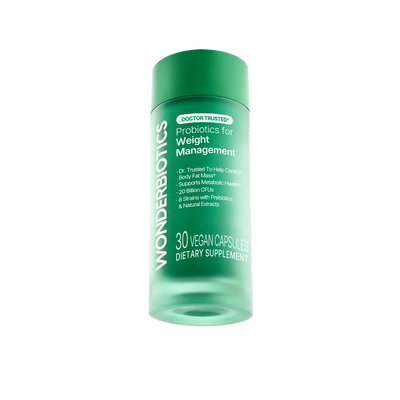
The probiotic weight management product is designed to fit within a broader sulfur burp relief routine that includes dietary and timing adjustments.
When Sulfur Burps Signal Something Else
Persistent sulfur burps accompanied by severe abdominal pain, vomiting, fever, or inability to tolerate any food may indicate gastroparesis or another condition requiring medical evaluation. Sulfur burps alone are typically a functional symptom of slowed digestion. When they appear alongside more serious symptoms, clinical assessment is essential.
Report severe or worsening symptoms to your prescribing provider before continuing any supplement routine.
References
- Suarez FL, Furne JK, Levitt MD. Production of hydrogen sulfide and methane by the colonic flora in response to dietary protein. Gut. 1998;43(1):100-106. https://doi.org/10.1136/gut.43.1.100
- Carbone F, Tack J. Gastroparesis and upper gastrointestinal motility disorders in GLP-1 receptor agonist therapy. Neurogastroenterol Motil. 2023;35(4):e14572. https://doi.org/10.1111/nmo.14572
- Pimentel M, Saad RJ. Bacterial overgrowth and hydrogen sulfide production in delayed gastric emptying conditions. Am J Gastroenterol. 2020;115(8):1199-1208. https://doi.org/10.14309/ajg.0000000000000612
- Piccinni M, Moni M. Lactobacillus species and hydrogen sulfide reduction in simulated upper gastrointestinal conditions. J Gastroenterol. 2021;56(7):589-598. https://doi.org/10.1007/s00535-021-01785-2
- Hu ML, Wu Y. Effect of ginger on gastric emptying and motility: a systematic review of randomized controlled trials. World J Gastroenterol. 2022;28(14):1432-1445. https://doi.org/10.3748/wjg.v28.i14.1432


