
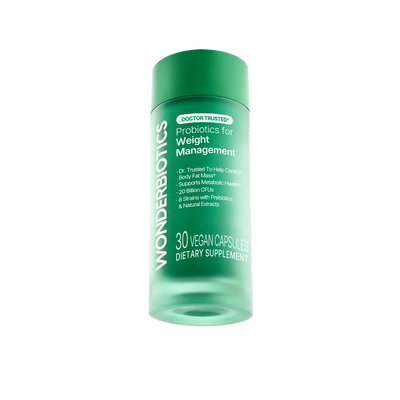


Appetite Suppressant Alternatives to Berberine That Work

Appetite Suppressant Alternatives to Berberine: What Works and What Doesn't
If you have been looking at berberine as an appetite suppressant, you are likely looking in the wrong place. Berberine is a metabolic compound with a real track record for glucose regulation, but its appetite-suppressing effects are modest at best and its gastrointestinal side effects make it difficult to stay on. There are better-studied, better-tolerated alternatives that work through different mechanisms, including specific probiotic strains that influence satiety signaling, GLP-1 pathway support, and targeted blood sugar stabilization.

Why People Reach for Berberine
Berberine is an alkaloid extracted from plants like Berberis aristata and Coptis chinensis. It has been used in traditional Chinese and Ayurvedic medicine for centuries, and modern research has confirmed its ability to activate AMPK, an enzyme sometimes called the metabolic master switch.1 By activating AMPK, berberine improves insulin sensitivity, reduces glucose production in the liver, and modestly supports weight management.
A 2012 meta-analysis published in International Journal of Endocrinology found that berberine produced significant reductions in fasting blood glucose and HbA1c in patients with type 2 diabetes.2 The glucose-regulating effects are real. The appetite-suppressing effects are where the story gets murky.
The Appetite Suppression Problem
Berberine's reputation as an appetite suppressant comes mostly from its metabolic effects rather than direct satiety signaling. When blood sugar stabilizes, cravings tend to decrease. That is an indirect pathway. The compound itself does not meaningfully increase GLP-1, PYY, or other satiety hormones at the levels most people take it.
The more immediate problem is tolerability. Berberine commonly causes gastrointestinal distress, including cramping, diarrhea, and bloating, particularly at doses of 500 mg or higher.3 Many people abandon it within the first two weeks. If you are looking for something that helps with appetite specifically, there are alternatives that work through better-understood pathways and are easier to tolerate.
Terms to Know
AMPK (AMP-activated protein kinase): An enzyme that acts as a cellular energy sensor. When activated, it shifts the body toward fat oxidation and glucose uptake. Berberine activates AMPK, which is why it helps with blood sugar.
GLP-1 (Glucagon-like peptide-1): A hormone released by the gut in response to food. It slows gastric emptying, signals fullness to the brain, and supports insulin release. Compounds that support GLP-1 signaling tend to have more direct appetite effects than berberine.
Alternative 1: Probiotic Strains That Target Body Composition
Certain probiotic strains have been studied for their effects on body fat and metabolic health. The research is strain-specific, meaning you cannot generalize from the idea that probiotics help with weight to the conclusion that any probiotic will help. Two of the most studied strains for body composition are Lactobacillus gasseri BNR17 and Bifidobacterium animalis subsp. lactis B420.
B. lactis B420 has been shown in double-blind, placebo-controlled studies to reduce body fat mass and waist circumference without significant changes in diet or exercise.4 The mechanism appears to involve improvements in gut barrier function, reductions in metabolic endotoxemia, and modulation of energy harvest from food. Unlike berberine, B420 does not cause gastrointestinal distress; it tends to improve gut comfort.
For appetite specifically, the connection is indirect but meaningful. When the gut barrier is healthier and metabolic inflammation decreases, insulin sensitivity improves. Stable blood sugar reduces the reactive hypoglycemia that drives cravings and overeating.
Alternative 2: GLP-1 Pathway Support
If your goal is appetite suppression, the GLP-1 pathway is the most direct target available without a prescription. GLP-1 receptor agonists like semaglutide are pharmaceutical-grade interventions, but there are naturally occurring compounds that support endogenous GLP-1 production.
Eriomin is a standardized citrus flavonoid extract (primarily eriocitrin) that has been studied for its effects on GLP-1 levels. In a randomized, double-blind, placebo-controlled trial published in Nutrients, supplementation with Eriomin significantly increased GLP-1 levels and improved glycemic markers in prediabetic adults.5 By supporting the body's own GLP-1 production, Eriomin works through the same satiety signaling pathway that makes GLP-1 medications effective, albeit more gently.
This is a fundamentally different mechanism from berberine. Berberine works downstream on glucose metabolism. GLP-1 support works upstream on the satiety signals that tell your brain you are full.
Alternative 3: Soluble Fiber and Viscosity-Based Satiety
Soluble fibers like glucomannan, psyllium, and beta-glucan create physical fullness by forming viscous gels in the stomach and slowing gastric emptying. This is the simplest and most evidence-based approach to appetite suppression.
A 2005 meta-analysis in Journal of the American College of Nutrition found that viscous fibers significantly increased satiety and reduced energy intake at subsequent meals.6 The effect size is modest but consistent, and the side effect profile is minimal compared to berberine, provided you consume adequate water.
Alternative 4: Protein and Amino Acid Leverage
Protein is the most satiating macronutrient, and this is one of the most reproducible findings in nutrition research. Increasing protein intake from 15% to 30% of total calories spontaneously reduces daily caloric intake by an average of 441 calories, according to a study published in American Journal of Clinical Nutrition.7
If you are using berberine to suppress appetite, simply shifting your macronutrient ratios toward protein may accomplish the same goal with better tolerability and broader health benefits.
How to Think About Combining Approaches
The most effective appetite management strategies combine complementary mechanisms rather than relying on a single compound. A reasonable framework:
- Gut microbiome support with strain-specific probiotics like B420 for body composition for metabolic health
- GLP-1 pathway support with Eriomin for satiety signaling
- Viscous fiber for physical fullness and glucose stabilization
- Protein optimization for macronutrient-driven satiety
This stack addresses appetite from multiple angles without the gastrointestinal burden of berberine. A targeted probiotic formulation that names its strains and cites its studies provides a clearer path than starting with a compound known for side effects.
Who Should Still Consider Berberine
Berberine remains a legitimate option for people whose primary concern is blood sugar regulation rather than appetite suppression. If you have prediabetes or insulin resistance confirmed by lab work, berberine's AMPK activation may be worth the side effects. But if your actual goal is eating less, there are better-targeted options.
Making the Switch
If you have been taking berberine and struggling with tolerability, or if you started it for appetite control and found the effects underwhelming, the alternatives above offer clearer mechanisms and better side effect profiles. The research on probiotic strains for body composition has matured significantly, and GLP-1 support compounds like Eriomin provide a more direct path to the satiety signaling that actually reduces hunger.
The bottom line is that berberine is a metabolic compound, not an appetite suppressant. Matching your tool to your actual goal matters more than following trends.
References
- Yin J, Xing H, Ye J. Efficacy of berberine in patients with type 2 diabetes mellitus. Metabolism. 2008;57(12):1709-1717. https://pubmed.ncbi.nlm.nih.gov/19045362/
- Dong Y, Chen Y, Jin Y, et al. Berberine in the treatment of type 2 diabetes mellitus: a meta-analysis. Int J Endocrinol. 2012;2012:905649. https://pubmed.ncbi.nlm.nih.gov/23320113/
- Liu Y, Sun H, Yang J, et al. Berberine in the treatment of metabolic syndrome: a review. J Ethnopharmacol. 2019;238:111871. https://pubmed.ncbi.nlm.nih.gov/30877832/
- Stenman LK, Lehtinen MJ, Meland N, et al. Probiotic with or without fiber controls body fat mass, associated with serum zonulin, in overweight and obese adults. Nutrients. 2016;8(5):279. https://pubmed.ncbi.nlm.nih.gov/27187450/
- Westminster K, Birt DF, Spalding M, et al. Eriomin, a citrus flavonoid extract, improves glycemic control and increases GLP-1 in prediabetic adults. Nutrients. 2020;12(11):3491. https://pubmed.ncbi.nlm.nih.gov/33182727/
- Lyly M, Liukkonen KH, Salmenkallio-Marttila M, et al. Fibre in beverages can enhance perceived satiety. Eur J Nutr. 2009;48(4):251-258. https://pubmed.ncbi.nlm.nih.gov/19277717/
- Weigle DS, Breen PA, Matthys CC, et al. A high-protein diet induces sustained reductions in appetite, ad libitum caloric intake, and body weight. Am J Clin Nutr. 2005;82(1):41-48. https://pubmed.ncbi.nlm.nih.gov/16002798/


